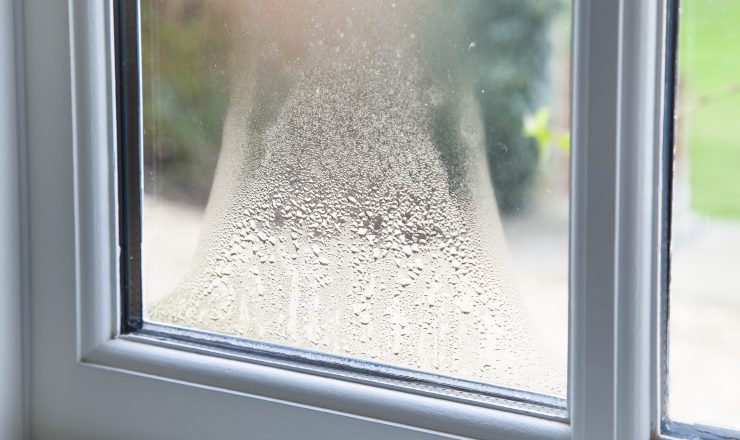
Condensation Inside Double Glazing: Understanding the Causes, Prevention, and Solutions
Double glazing is a popular choice amongst homeowners and services due to its capability to boost energy efficiency and provide much better insulation. However, one common issue that many encounter is condensation forming in between the panes of glass. Repair My Windows And Doors will explore the causes of condensation inside double glazing, preventative procedures, readily available solutions, and often asked questions.
The Basics of Double Glazing
Before diving into the concern of condensation, it is necessary to understand what double glazing is. Double glazing includes two panes of glass sealed together, generally with a spacer in between and filled with gas, such as argon, to improve thermal performance. This building and construction assists to reduce heat transfer, which makes it a reliable insulation option.
Benefits of Double Glazing
The benefits of double glazing consist of:
- Energy Efficiency: Helps to maintain a consistent indoor temperature level, lowering dependence on heating unit.
- Sound Reduction: Reduces external noise thanks to the soundproofing properties of the sealed unit.
- Increased Security: The 2 layers of glass provide included resistance versus burglaries.
- UV Protection: Double glazing can decrease exposure to harmful UV rays, safeguarding furniture and decor.
Understanding Condensation in Double Glazing
Condensation occurs when warm, wet air comes into contact with cool surfaces, leading the moisture in the air to reverse into liquid water. When this process happens within the sealed location of double glazing, it can be particularly troublesome. The existence of moisture not just diminishes the visual appeal of windows but can also show underlying concerns within the window system.
Reasons For Condensation Inside Double Glazing
There are numerous reasons why condensation might form inside double glazing:
- Seal Failure: The most common cause of condensation is a failure in the seals, enabling moisture-laden air to go into the space between the panes.
- Low-Quality Installation: Poor setup can result in jeopardized seals, increasing the risk of condensation.
- Age of Windows: Older double-glazed units might have degraded seals gradually due to wear and tear, leading to higher condensation levels.
- Humidity Levels: Excessive humidity inside the residential or commercial property can add to more moisture entering the sealed system. This can be intensified by activities like cooking, bathing, and drying clothing inside.
- Temperature Differences: A considerable temperature level disparity between the inside and outside can increase the likelihood of condensation forming.
Table: Common Causes of Condensation in Double Glazing
| Cause | Description | Resulting Impact |
|---|---|---|
| Seal Failure | Jeopardized seals permit moisture entry | Condensation types in between panes |
| Low-Quality Installation | Poor setup increases danger of seal failure | Higher possibility of condensation |
| Age of Windows | Abject seals due to wear and tear | Increased condensation in time |
| Humidity Levels | High moisture levels in the home | Moist air can get in sealed units |
| Temperature level Differences | Significant inside/outside temperature contrasts | Increased moisture build-up |
Avoidance Strategies for Condensation
Taking proactive measures can assist prevent condensation in double-glazed windows. Here are a number of methods:
- Proper Ventilation: Ensure that spaces are well-ventilated to reduce humidity levels. Use exhaust fans in restrooms and cooking areas.
- Use Dehumidifiers: Investing in a dehumidifier can help control indoor humidity, especially in wet areas of the home.
- Routine Maintenance: Inspect windows frequently for indications of seal damage and wear. Arrange professional evaluations for older windows.
- Control Indoor Humidity: Maintain indoor humidity levels below 60% utilizing hygrometers to keep track of moisture levels.
- Pick Quality Windows: Opt for high-quality, energy-efficient windows from reputable producers to decrease the threat of seal failure.
List of Preventative Measures
- Maintain proper ventilation in all living spaces.
- Utilize dehumidifiers as needed.
- Conduct routine assessments and upkeep.
- Screen humidity levels with hygrometers.
- Select top quality items throughout setup.
Solutions for Existing Condensation Issues
For homeowners handling existing condensation, there are several techniques one can take:
- Seal Replacement: If the seals are found to be ineffective, replacing them may resolve the problem and prevent additional moisture from going into.
- System Replacement: In cases where the condensation problem is severe or the system is old, changing the double-glazed window may be required.
- Desiccant Installation: Some companies offer a service to insert desiccants between glass panes, which can take in moisture and clear the condensation.
- Professional Help: Consult with glazing professionals for customized solutions to mitigate condensation issues effectively.
Regularly Asked Questions (FAQs)
1. How do I understand if my double-glazed window has condensation?
- If you see misting or water beads in between the glass panes, then you likely have condensation.
2. Can I fix condensation inside double glazing myself?
- It is challenging to fix condensation inside sealed units. Professional assistance is typically advised.
3. How can I stop humidity from triggering condensation?
- Make sure proper ventilation, use exhaust fans, and think about using a dehumidifier to manage indoor humidity levels.
4. Is condensation in between the panes an indication of a major problem?
- While it suggests a seal failure, the general seriousness depends upon the level of moisture and any possible damage to the window.
5. What should I do if I notice mold due to condensation?
- Address the condensation problem quickly and deal with any mold with suitable cleaning solutions. If extreme, professional removal might be needed.
Condensation inside double glazing can be an inconvenience, affecting the visual appeals and function of windows. Comprehending the causes, executing preventative procedures, and addressing existing issues without delay can assist house owners maintain the integrity and effectiveness of their double-glazed units. By staying informed and proactive, one can enjoy the benefits of double glazing while decreasing the issue of condensation.